
Review · BEACH AND SNORKEL TRIPS IN RINCON
Sunset Snorkeling
The reef changes when daylight fades. This Rincón outing begins at sunset, when daytime fish settle down and nocturnal creatures start moving, then adds ultraviolet lights and mask filters to bring out colors that ordinary snorkeling can miss. I like the twilight timing, and I like the small group limit of 10, which gives you a better chance of receiving help from the guide.
I also like that the experience can count toward a night-diving course and may appeal to certified PADI night divers looking for a different kind of underwater session. The main consideration is important: this is not a casual beginner snorkeling trip. You need PADI certification and night-diving experience, and several past participants described it as a scuba night outing rather than a simple surface swim.
In This Review
- Key points at a glance
- Why Sunset Is the Right Time in Rincón
- What Happens From the 6 p.m. Meeting to the Water
- Ultraviolet Lights Change the Way You See the Reef
- Marine Life You Might See After Dark
- A Small Group Makes a Difference
- Who Should Book This Experience?
- Is $79.99 a Fair Price?
- Safety, Weather, and Equipment Questions
- Getting to the Meeting Point
- Should You Book Sunset Snorkeling?
- FAQ
- Where does Sunset Snorkeling meet?
- What time does the experience begin?
- How long does the experience last?
- Does the activity end at the meeting point?
- Is PADI certification required?
- Can this count toward a night-diving course?
- How many people can join?
- Are group discounts available?
- What equipment is used?
- What happens if bad weather cancels the outing?
- Can I cancel for a full refund?
Key points at a glance
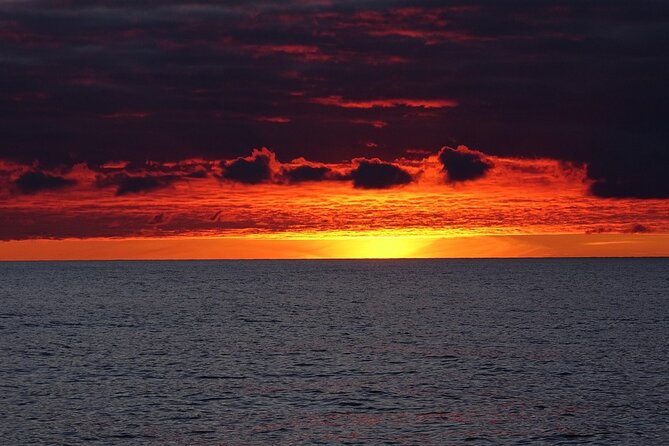
- Sunset start at 6 p.m.: You enter the water during twilight and leave before full darkness.
- Ultraviolet viewing: Special lights and mask filters are intended to intensify the colors of fish, coral, and marine plants.
- Night-diver requirement: PADI certification and prior night-diving experience are required.
- Small group size: No more than 10 people join the session, with some outings operating with only one or two participants.
- Marine life after dark: You might find octopuses, turtles, moray eels, crabs, lobsters, basket starfish, and bioluminescence.
- Clear cancellation rule: You can cancel at least 24 hours ahead for a full refund, while bad weather may lead to a new date or a full refund.
Why Sunset Is the Right Time in Rincón
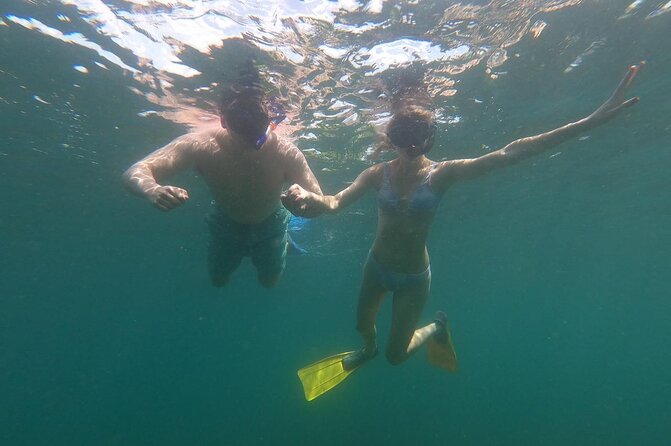
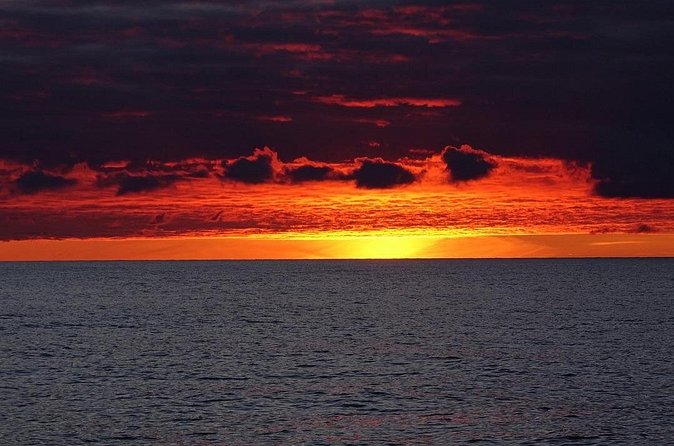
The timing is the heart of this experience. You meet at 6 p.m. at 460 C. Jose Perez in Rincón, then prepare for an entry during the sunset twilight hour. That short period between day and night gives you two experiences in one: the reef as familiar daylight fades, followed by the first signs of nighttime activity.
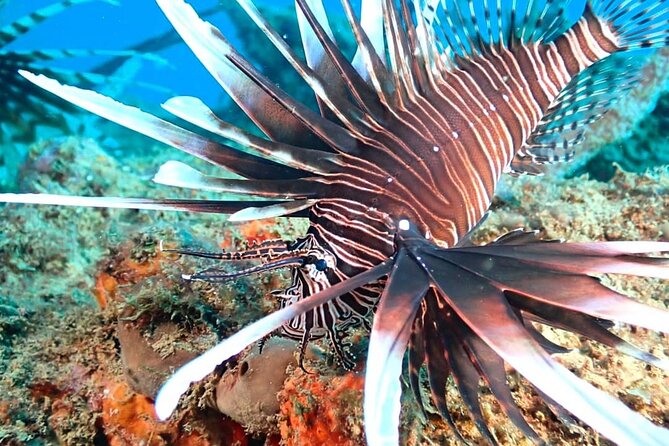
This matters because marine life does not follow the same schedule after sunset. Creatures that stay hidden during the day can begin moving, hunting, or feeding. Reports from the outing include octopuses, turtles, crabs, lobsters, moray eels, and basket starfish. These sightings are never guaranteed, but the changing light gives you a better reason to watch closely.
You should also understand the timing precisely. The group enters before sunset and exits before it becomes fully dark. This is not an all-night session, and it is not designed as a long, remote expedition. The advertised duration is about 90 minutes, making it a manageable addition to an evening in Rincón.
More Beach and Snorkel Trips in Rincon
- Horseback Riding through Secluded Beaches and Tropical Forests
★ 4.5 · 708 reviews - Rincon Snorkeling Adventure
★ 5.0 · 231 reviews - Guided Coral Reef Snorkeling Tour
★ 4.0 · 127 reviews
What Happens From the 6 p.m. Meeting to the Water
Your evening begins at the stated meeting point, 460 C. Jose Perez, Rincón, Puerto Rico 00677. The activity finishes at that same location, which keeps the arrangement simple. The meeting point is near public transportation, though no specific route or parking details are provided.
After meeting the guide, you get ready for the water and receive an explanation of what to expect. This briefing is especially important at twilight. You need to understand how the lights work, how the mask filter affects what you see, and how to stay close to the guide once natural light begins to fade.
The exact reef route is not specified, so you should not expect a named series of stops or a fixed sightseeing circuit. The appeal is the underwater environment itself, not a checklist of landmarks. The guide leads the group through the site while you look for movement in cracks, along the reef, and near the bottom.
The activity ends before full darkness, then you return to the meeting point. Because the session is short, you can still plan dinner or another evening activity afterward. I would avoid booking anything with a tight start time, though. Sunset conditions and time in the water can vary.
Ultraviolet Lights Change the Way You See the Reef
The special equipment is what separates this from ordinary nighttime snorkeling. You use ultraviolet lights and filters on the masks to intensify the colors of reef life, fish, and marine plants. That creates a different visual experience from simply carrying a normal underwater torch.
Under UV light, familiar underwater scenes can look strange and theatrical. Colors may appear stronger, and small details can become easier to notice. This is particularly appealing if you have already explored reefs in daylight and want a fresh way to observe them.
Still, the equipment deserves careful attention. One unhappy account alleged that the UV light and mask filter were missing and that the provided lights did not work properly. That conflicts with the advertised format, so I recommend confirming before arrival that the UV lights and mask filters will be supplied and functioning for your session.
You should also ask how the operator handles equipment checks before entering the water. This is not being fussy. Reliable lights matter for seeing marine life, communicating with the guide, and feeling comfortable as daylight disappears.
Marine Life You Might See After Dark
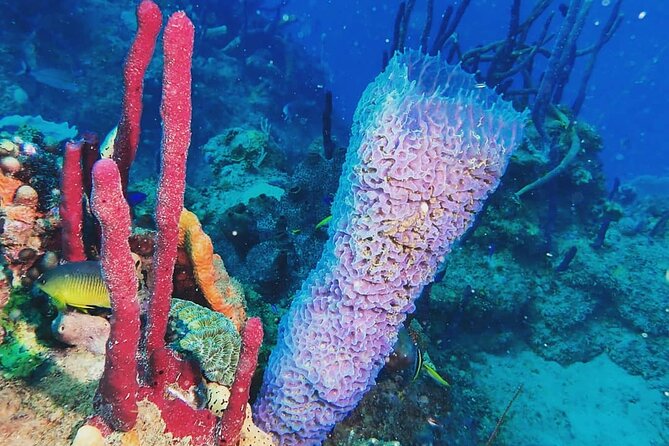
The night setting changes your expectations. During a daytime snorkel, you may spend much of your time scanning open water and bright coral. Here, you need to slow down and look for small movements.
An octopus is one of the most memorable possibilities. It can be difficult to spot in daylight, and seeing one move through the reef gives the outing a clear purpose. Moray eels may also appear while hunting, while crabs and lobsters tend to reward careful observation near the bottom.
One particularly appealing sight is the basket starfish. Its branching arms can look very different under special lighting. Bioluminescence has also been reported, though you should treat it as a bonus rather than a promise. One participant saw little of it but still considered the nighttime setting worthwhile.
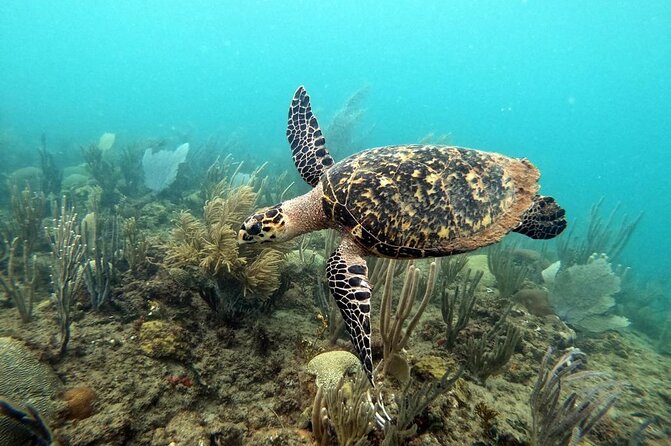
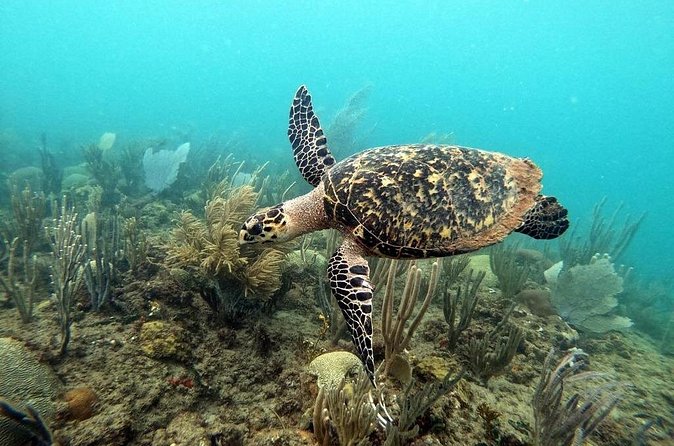
Turtles are possible as well, but no marine animal is guaranteed. The guide can point out likely habitat and help you identify what you see, but wildlife remains unpredictable. The best approach is to value the unusual lighting and nocturnal behavior even if the headline creature does not appear.
A completely different kind of day:
- Snorkeling Adventure in Aguadilla
★ 5.0 · 117 reviews - Adventure Chiliboats Waterbike in La Parguera
★ 5.0 · 107 reviews - Experience Scuba Diving / NO certification Needed
★ 4.5 · 104 reviews - Coral Reef Snorkel Adventure with Photos and Videos
★ 4.5 · 78 reviews
A Small Group Makes a Difference
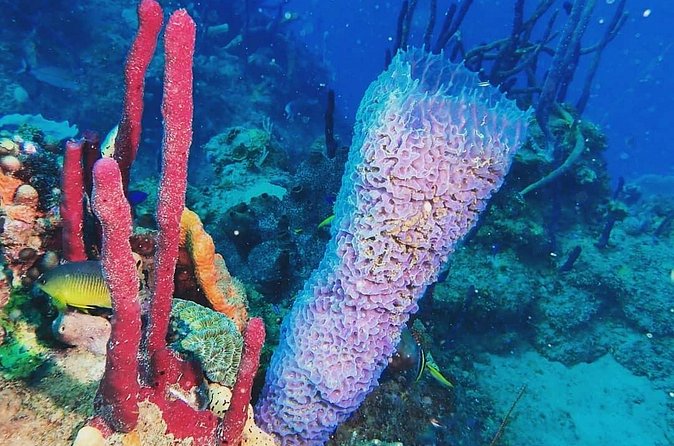
The maximum group size is 10 people. That is not a private charter, but it is small enough to keep the group manageable. In an underwater setting, this matters more than it might on a walking tour. You want to stay near the guide without fighting for position or losing sight of the group.
Some outings have taken place with only one or two customers. That can mean more direct attention and a calmer pace, though the actual group size depends on bookings. The operator advertises group discounts, so ask about those if you are arranging the outing with friends or family.
The guiding team has included Hayden, Laurel, Robert, Wes, and Ian. Specific accounts praised Hayden for helping people feel safe, Laurel for leading a last-minute outing, and Robert and Wes for offering photography tips. Ian led a session lasting more than an hour underwater, with sightings that included a moray eel, basket starfish, crabs, lobsters, and bioluminescence.
Those details suggest an important strength: the guides can add value beyond simply showing you the water. Expect a briefing, help with the equipment, and advice about what to watch for. If underwater photography interests you, Robert’s reported tips are a useful sign, but photography assistance should not be treated as a formal part of the package.
Who Should Book This Experience?
This is best for an experienced PADI-certified night diver who already knows how to manage equipment in open water. The requirement for night-diving experience means you should not book this as your first attempt at entering the ocean after dark.
It may also suit someone working toward a night-diving course, since the session can count toward that training. Confirm the exact course-credit requirements with your instructor before booking. The experience is not a substitute for a full certification program.
Families may find it suitable only if every participant meets the certification and experience requirements. A past outing included children on their first night dive and was described as safe, but that does not remove the stated certification requirement. Do not assume young swimmers or casual snorkelers can join.
This is also a good choice for someone who has already seen Puerto Rico’s reefs in daylight. The attraction is not simply getting wet. It is watching the reef switch from day activity to nighttime behavior and seeing it through altered light.
Is $79.99 a Fair Price?
At $79.99 per person, the price is reasonable if you value a guided, small-group underwater experience with specialized lighting. The session lasts about 90 minutes, and the appeal comes from the guide, the unusual timing, and the UV equipment rather than from a long boat ride or a full-day itinerary.
The value is strongest when you make use of the educational side. A good guide can help you identify creatures, manage the transition into low light, and explain what you are seeing. If the experience contributes to a night-diving course, that may make the fee more useful than a standard recreational outing.
The value is weaker if you expect a guaranteed turtle, octopus, or strong bioluminescent display. Wildlife sightings vary, and one account specifically noted little bioluminescence. You are paying for access to a nighttime setting and guided observation, not a guaranteed animal encounter.
Group discounts may improve the price for a party. Since bookings average about 10 days in advance, I would not wait until the last minute if your schedule is fixed, particularly during a busy Puerto Rico visit.
Safety, Weather, and Equipment Questions
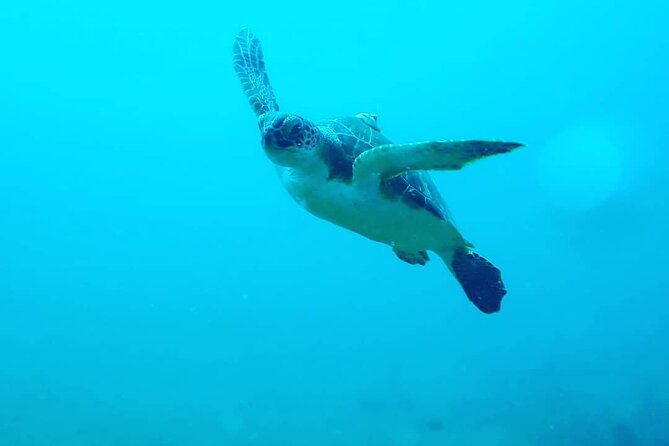
The activity requires good weather. If poor conditions force a cancellation, you can choose another date or receive a full refund. That policy is useful, but weather decisions can become a point of disagreement, so ask how the operator determines whether conditions are suitable.
Two past accounts raised concerns about strong currents, wind, and the handling of cancellations. The operator disputed those accounts and stated that the outing was not unsafe, while also referring to its last-minute cancellation policy. The disagreement is a reminder to clarify the policy before you arrive, especially if you are not comfortable in ocean conditions.
You should ask these practical questions before setting out:
- Are the UV lights and mask filters included for every participant?
- What happens if equipment fails before entering the water?
- How is the group handled if conditions change?
- Does your certification meet the stated PADI requirement?
- Can the session count toward your specific night-diving course?
You can cancel for a full refund if you do so at least 24 hours before the 6 p.m. start time. Cancellations or changes made inside that window are not refunded or accepted. The cutoff uses local time, so check the clock carefully if you are booking from elsewhere.
Getting to the Meeting Point
The meeting point is in central Rincón at 460 C. Jose Perez. The activity ends there as well, and the location is near public transportation. The information does not provide a pickup service, hotel transfer, parking instructions, or a detailed route.
A mobile ticket is available, and booking confirmation arrives at the time of purchase. Keep the confirmation accessible on your phone, since the meeting arrangement is direct rather than a large resort pickup operation.
Because the tour begins at 6 p.m., give yourself enough time to find the address and meet the guide without rushing. You will want a calm start before handling equipment and entering the water at twilight.
Should You Book Sunset Snorkeling?
Book it if you already hold the required PADI certification, have night-diving experience, and want a short, unusual look at Rincón’s reef as daylight fades. The small group format, experienced guides, possible course credit, and chance to see octopuses, lobsters, moray eels, or bioluminescence make the $79.99 fee fair for the right person.
Skip it if you are a beginner, expect ordinary surface snorkeling, or dislike uncertain ocean conditions. Before paying, confirm the UV equipment, the certification rules, and the weather policy. If those details are clear, this can be a memorable evening outing with a very different view of Puerto Rico’s underwater life.
FAQ
Where does Sunset Snorkeling meet?
The activity starts at 460 C. Jose Perez, Rincón, Puerto Rico 00677.
What time does the experience begin?
The scheduled start time is 6 p.m.
How long does the experience last?
The outing lasts approximately 1 hour and 30 minutes.
Does the activity end at the meeting point?
Yes. The activity ends back at the stated meeting point.
Is PADI certification required?
Yes. PADI certification and night-diving experience are required.
Can this count toward a night-diving course?
Yes. The experience can count toward a night-diving course, but you should confirm the credit requirements with your instructor.
How many people can join?
The maximum group size is 10 people.
Are group discounts available?
Yes. Group discounts are listed as a feature of the experience.
What equipment is used?
The experience is designed around special ultraviolet lights and filters for the masks. Because equipment concerns have been reported, confirm what will be provided before arrival.
What happens if bad weather cancels the outing?
You will be offered a different date or a full refund if poor weather causes the cancellation.
Can I cancel for a full refund?
Yes. Cancel at least 24 hours before the local start time for a full refund. Cancellations or changes made less than 24 hours ahead are not accepted or refunded.
Just added in Rincon
- Explore Puerto Rico’s West Coast★ 5.0 · 18 reviews
- Aguadilla UTV Off-Road Tour to Faro Ruins!★ 5.0 · 11 reviews
- Sunset Horseback Ride by the Beach in Aguadilla, Puerto Rico★ 3.5 · 3 reviews
- Private Rincon Snorkeling Adventure★ 5.0 · 16 reviews
- Private One-way Transfer from/to SJU Airport to Rincon Area★ 5.0 · 1 review
- Rincón UTV Sunset Adventure: Explore & Chase the Perfect Sunset★ 5.0 · 4 reviews
- Surfing Lesson, Rincon PR★ 4.5 · 8 reviews
- OCTOPUS DIVING (hookah diving) NO Experience Needed★ 4.0 · 9 reviews
Beach and Snorkel Trips in Rincon, compared.

Horseback Riding through Secluded Beaches and Tropical Forests
Read our review →
Coral Reef Snorkel Adventure with Photos and Videos
Read our review →
Horseback Ride by the Beach in Aguadilla, Puerto Rico
Read our review →
Browse the lists this tour appears in